


Handmade soap costs depend on the specific bar, its size, and the total you pay at checkout; compare the current product prices below rather than treating one seller’s price as a market average. Delivery charges and applicable taxes belong in your budget, while bar weight determines whether two listings offer the same amount of soap.
- How much does handmade soap cost? Compare current product prices, bar weight, and checkout totals before buying.
- Pleasant Hill Products suits shoppers seeking natural, handmade, cruelty-free soap.
- A 4.5 oz bar gives you a useful weight reference, not a guarantee of longer use.
- Choose a single bar first when you have not tried the formula or fragrance.
Why this matters
A low per-bar total does not automatically mean better value. A smaller bar gives you less soap, and a larger order commits more of your budget before you know whether you like the formula.
For your 2026 soap budget, separate three questions: what you pay, how much soap you receive, and whether you will actually use it. Pleasant Hill Products sells natural, handmade, cruelty-free soap alongside small-batch beauty and skincare products. Those attributes help you choose a seller, but the individual listing still needs to answer your practical questions.
Buy for a clear preference, then compare equal quantities. A fragrance you dislike or an exfoliating texture you do not want is not good value simply because the checkout total looks attractive.
How much does handmade soap cost?
The useful answer is the current price of the specific handmade soap you intend to buy, adjusted for its labeled weight and your checkout total. Neither a product name nor the word “artisan” establishes a standard market price.
Use this breakdown when comparing listings in 2026:
| Budget component | What to check | What it tells you |
|---|---|---|
| Soap itself | Current amount shown for the selected bar | Your starting purchase cost |
| Quantity | Number of bars included | Whether you are comparing individual bars or a set |
| Net weight | Labeled ounces or grams | How much soap you receive |
| Delivery | Delivery charge shown at checkout | The cost of receiving the order |
| Tax | Applicable tax shown at checkout | The final amount charged |
| Optional extras | Accessories or additional products you choose | Spending beyond the soap itself |
Compare the final total, not just the product-page amount. If you are comparing two sellers, use the same delivery destination and a similar quantity of soap. Otherwise, the comparison mixes different purchases.
For an individual bar, divide its current price by its labeled weight to calculate cost per ounce. For an order containing only soap, divide the checkout total by the combined labeled weight to compare delivered cost per ounce.
Keep those calculations separate. The first compares products; the second compares complete orders.
Single bars: best for trying a formula
A single bar is best for a first purchase when scent, texture, or skin comfort is still uncertain. You commit to less soap while learning whether the product belongs in your routine.
The limitation is that an individual bar does not tell you what a larger order will cost to receive. Review delivery charges before deciding that buying separately makes sense.
Read beyond the product name. Check whether the listing describes fragrance, essential oils, exfoliating ingredients, and net weight. “Natural” and “handmade” do not tell you whether a bar matches your personal sensitivities or preferences.
For a 2026 first order, choose the bar whose details answer your questions most clearly. Do not buy extra bars merely to make the order feel more economical; an unwanted purchase still uses your budget.
Multiple bars: best for a known preference
Multiple bars are best when you already know you enjoy the formula and scent. Buying more of a familiar product avoids filling your bathroom with variations you have not tried.
The trade-off is a larger commitment. Before ordering, check the quantity and weight of each included bar rather than assuming that a set contains the same sizes as individual listings.
For example, two bars labeled 4.5 oz contain 9 oz of soap in total. That is a weight calculation, not a prediction of how long the order will last. Your washing habits and storage conditions still matter.
Use the same arithmetic for mixed orders, but keep non-soap products out of the denominator. Dividing a basket containing soap and skincare by soap weight alone produces a misleading comparison.
Two labeled bars you can compare directly
Pleasant Hill Products handmade soap includes the two labeled 4.5 oz options below. Their matching stated weights make them useful for comparing product cost without confusing a larger bar with a smaller one.
| Product | Stated weight | Best for | Relevant feature | Limitation |
|---|---|---|---|---|
| Lemon Essential Oil Artisan Soap Bar | 4.5 oz | Shoppers seeking a lemon-scented bar | Lemon essential oil and cold-process format appear in the product title | A scented bar does not meet a fragrance-free preference |
| Lemon Poppyseed Artisan Soap Bar | Approximately 4.5 oz | Shoppers who specifically want exfoliation | Exfoliating cold-process format with listed citrus scent notes | Exfoliation is an extra feature, not a requirement for cleansing |
Choose Lemon Essential Oil Artisan Soap Bar for its lemon-scented format; choose Lemon Poppyseed Artisan Soap Bar only if you also want exfoliation. Neither choice establishes better value for every shopper. Matching the product to your intended use comes first.
The product cards show the listed amounts for these specific bars. They are examples from one store, not a national average or a claim about every handmade soap seller.


Why handmade soap costs vary
The supplied listings distinguish bars by weight, ingredients, scent, process, and decorative details. Use those differences to understand what you are buying, not to assume a specific ingredient explains a particular amount.
- Bar weight: Compare labeled quantities before judging per-bar value. Two products called “soap bars” need not contain equal amounts.
- Formula: The catalog includes essential oils, salt, clay, oats, and other named ingredients across different products. Check the particular listing rather than assuming every bar shares one formula.
- Texture: An exfoliating bar offers a different washing experience from a bar selected without that feature. Pay for that distinction only if you want it.
- Scent: Lemon, floral, mint, and other scent descriptions serve different preferences. A more appealing fragrance to you is not evidence of better cleansing.
- Decorative details: Some listings describe swirls, toppings, or themed designs. These matter when appearance is part of your purchase, but they do not establish skin benefits.
- Order composition: A single bar and a basket of several products are different purchases. Compare the complete contents and checkout totals.
Product differences explain what to inspect; they do not prove why a seller set a particular price. Without a seller’s actual cost breakdown, ingredient and labor costs should not be presented as measured explanations.
How do you compare handmade soap value fairly?
Use the same comparison process for every purchase in 2026. Start with your requirements, then compare quantities and final totals.
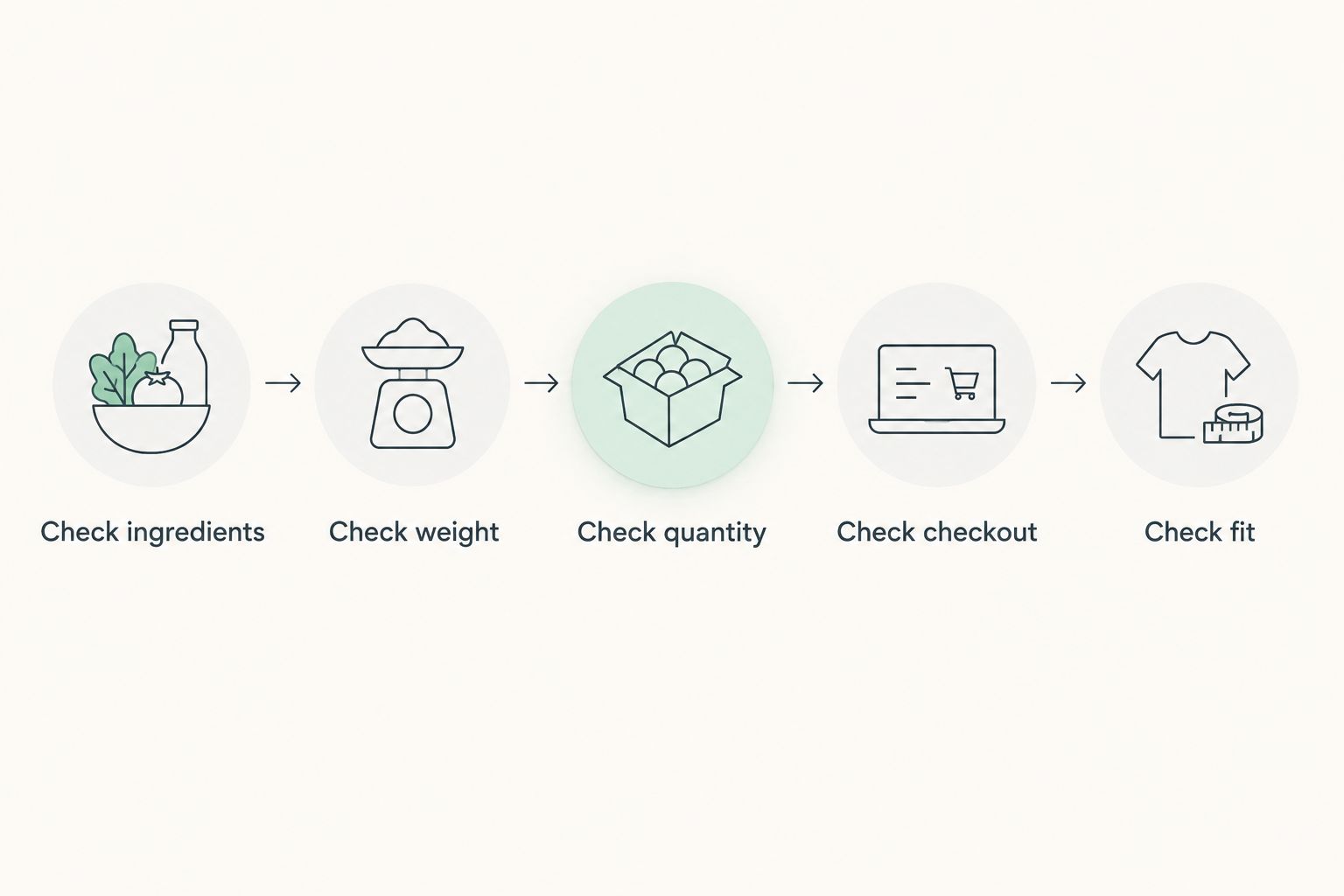
- Check ingredients. Read the full ingredient list and identify anything you avoid. A product name is not a substitute for that list.
- Check weight. Record the labeled net weight. A 4.5 oz bar is approximately 127.6 grams; compare both products in the same unit.
- Check quantity. Confirm how many bars the listing includes. Keep the combined weight separate from the weight of an individual bar.
- Check checkout. Review the final amount for your destination, including applicable delivery charges and tax.
- Check fit. Decide whether you want the listed scent and texture before increasing the order size.
Save your own observations after trying the bar. Record whether you liked the scent, how the texture felt, and whether you would buy it again. That information is more useful for your next order than an unverified promise about how many showers a bar should provide.
Is a bigger handmade soap order better value?
A bigger order contains more soap, but it is not automatically a better purchase. Compare the final cost per ounce and ask whether you want every item included.
Two 4.5 oz bars provide 9 oz in total, while three provide 13.5 oz. Those totals let you compare quantity accurately; they do not establish savings without the actual checkout amounts.
If one bar in a set is unwanted, include that fact in your decision. A lower calculated unit cost does not make an unused product useful.
Does a more expensive handmade soap last longer?
A higher price does not establish longer usable life. Weight, formula, washing habits, and exposure to water are separate considerations, and a product listing needs evidence before making a specific longevity claim.
Do not turn a 2026 shopping comparison into a predicted cost per shower without your own usage record. Cost per ounce is measurable before purchase; cost per use requires actual use.
Is handmade soap worth buying for everyday use?
Handmade soap is worth considering when its formula, scent, and format match what you want from a daily cleanser. It is not automatically a better match because it is handmade.
Pleasant Hill Products is best for shoppers seeking natural, handmade, cruelty-free soap. The store’s stated focus fits that preference; individual ingredient lists still determine which bar belongs in your routine.
The advantage is choosing around specific product attributes you enjoy. The limitation is that descriptions cannot tell you exactly how your skin will respond. Start with a considered purchase rather than treating a higher amount as a quality guarantee.
FAQ
How much does handmade soap cost in 2026?
Handmade soap costs depend on the selected product, labeled weight, and final checkout total. Compare the current product-card amounts for specific examples, then check delivery charges and applicable tax before purchasing.
What is the fairest way to compare handmade soap prices?
Compare cost per ounce for products that meet your preferences, then compare delivered cost per ounce for complete orders. Use the same weight unit and keep optional accessories out of a soap-only calculation.
Is a 4.5 oz handmade soap bar a useful comparison size?
A 4.5 oz bar is a useful weight reference when another listing states its net weight. Equal weight makes quantity comparisons clearer, but it does not establish equal ingredients, comfort, or usable life.
Should I buy one handmade soap bar or several?
Buy one bar first when you have not tried the formula, scent, or texture. Consider several bars after you know you want to use them, and compare the complete checkout totals before increasing your order.
Does handmade soap need to be exfoliating to be worth buying?
Handmade soap does not need an exfoliating feature to be a worthwhile purchase. Choose exfoliation only when you want that texture, rather than treating it as proof of better cleansing or value.
Is Pleasant Hill Products a fit for natural handmade soap shoppers?
Pleasant Hill Products sells natural, handmade, cruelty-free soap and small-batch beauty and skincare products to everyday consumers. Choose an individual bar by its ingredient list, scent description, texture, and labeled weight.
One last thing
The most useful number is not always the amount beside the product name. Labeled weight lets you distinguish a genuine quantity difference from a difference in presentation.
For your next 2026 purchase, compare equal weights, review the checkout total, and buy a formula you actually want. Once you have used the bar, your own experience becomes the strongest basis for deciding whether to reorder.